2026-10-22 ·
How Sheffield's Damp Climate Affects Spray Foam Insulation Longevity
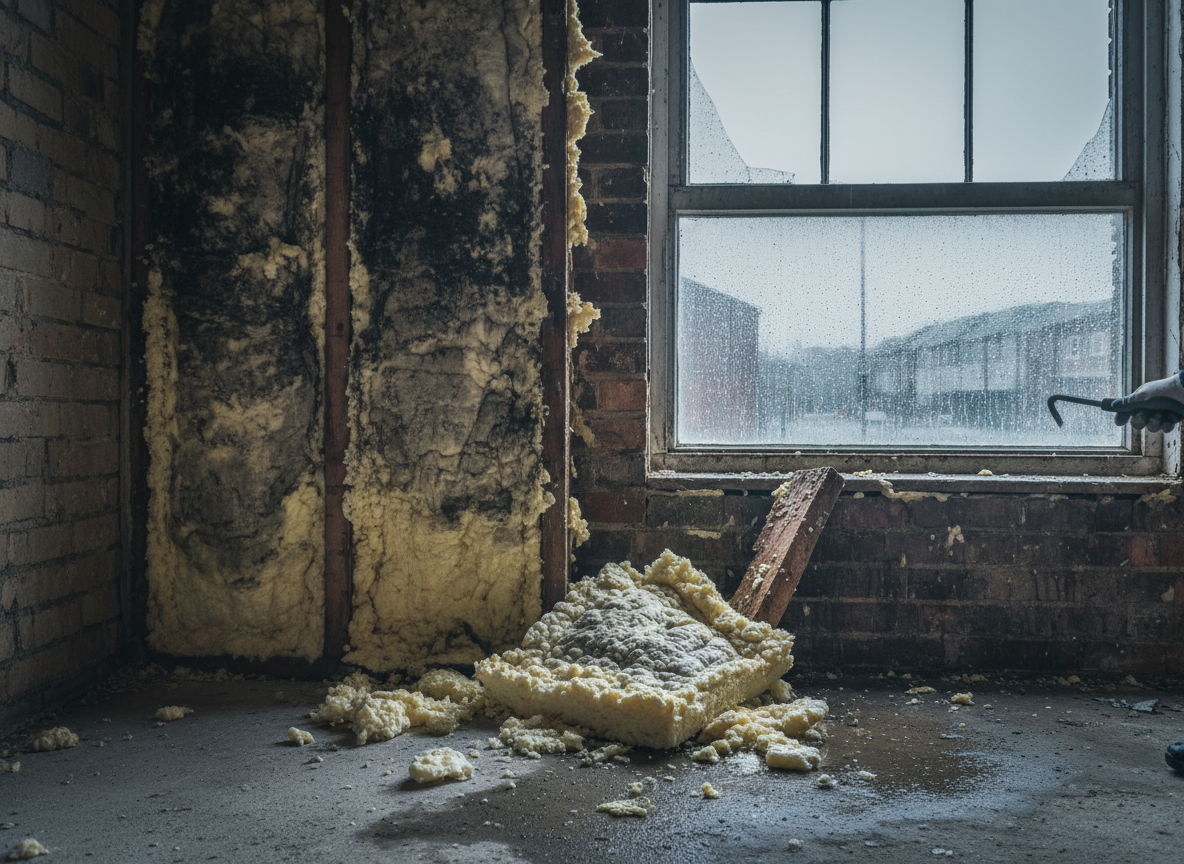
Sheffield's damp climate typically reduces spray foam insulation longevity to 10–15 years in many properties rather than the 20–25 years seen elsewhere, as constant moisture from Pennine rainfall penetrates lofts and walls in Victorian terraces throughout areas like Ecclesall and Hillsborough.
Sheffield's Climate Patterns and Their Effect on Insulation
Sheffield receives frequent rainfall year-round with peaks in autumn and winter, creating prolonged high humidity that seeps into roof spaces and cavity walls of local stone and brick homes built before 1930. This moisture lingers longer than in drier parts of the UK because of the city's valley location and surrounding hills, which trap damp air. In neighborhoods such as Nether Edge and Crookes, older terraced housing with original slate roofs experiences repeated condensation cycles that break down foam cell structure faster than in less wet counties. Homeowners in these zones often notice earlier signs of sagging or discoloration during the wetter months from October through March. The terrain around the River Don also contributes to higher ground moisture levels that rise into ground-floor cavities during heavy downpours common in South Yorkshire.
How Dampness Degrades Spray Foam Over Time
Open-cell foam absorbs water readily in Sheffield's conditions, leading to mold growth and reduced thermal performance within 8–12 years in loft spaces exposed to leaks or poor ventilation. Closed-cell foam fares better initially but still suffers delamination at edges where moisture collects along timber joists in period properties across Barnsley Road corridors. Repeated freeze-thaw events during mild but wet winters further expand trapped water, cracking the material and allowing more air leakage. Properties near the Peak District edge face additional wind-driven rain that forces water deeper into insulation layers than in sheltered urban pockets. These factors combine to make full replacement necessary sooner than manufacturers' general estimates suggest for the region.
Local Housing Stock Considerations in Sheffield
Much of Sheffield's housing stock consists of pre-1919 terraces and semis with narrow roof voids and limited airflow, which trap the moisture that accelerates foam failure compared to newer builds in surrounding cities like Rotherham. Stone walls common in areas such as Walkley retain damp longer after storms, transmitting humidity upward into attic insulation. Loft conversions popular in the last two decades often seal in existing moisture problems, shortening remaining foam life even further. Homeowners inspecting these older structures regularly find that original spray foam installations from the 2000s already show significant breakdown due to the county's consistent 1200+ mm annual rainfall average. This pattern repeats across similar South Yorkshire towns where housing age and weather intersect.
Practical Steps for Homeowners Facing Reduced Longevity
Schedule a professional insulation assessment early if your Sheffield property shows any moisture staining or musty odors in the loft, as early intervention prevents larger structural issues. Consider timing removal work before the wettest months to avoid complications from ongoing rain. Relevant guidance appears in related discussions on preparing for winter conditions and understanding local rules around insulation changes. Services such as insulation assessment and spray foam insulation removal provide targeted support for properties in the Sheffield area. Checking neighboring cities like Doncaster or Chesterfield reveals similar patterns, confirming the regional impact of damp on these materials.